Unveiling the Secrets of Traditional Saudi Craftsmanship


Traditional Saudi craftsmanship offers a window into the rich cultural heritage of the Arabian Peninsula. Rooted in centuries-old practices, these crafts reflect the ingenuity and artistry of Saudi artisans. From intricate textiles to exquisite metalwork, each piece tells a story of tradition and skill passed down through generations.
The Art of Weaving
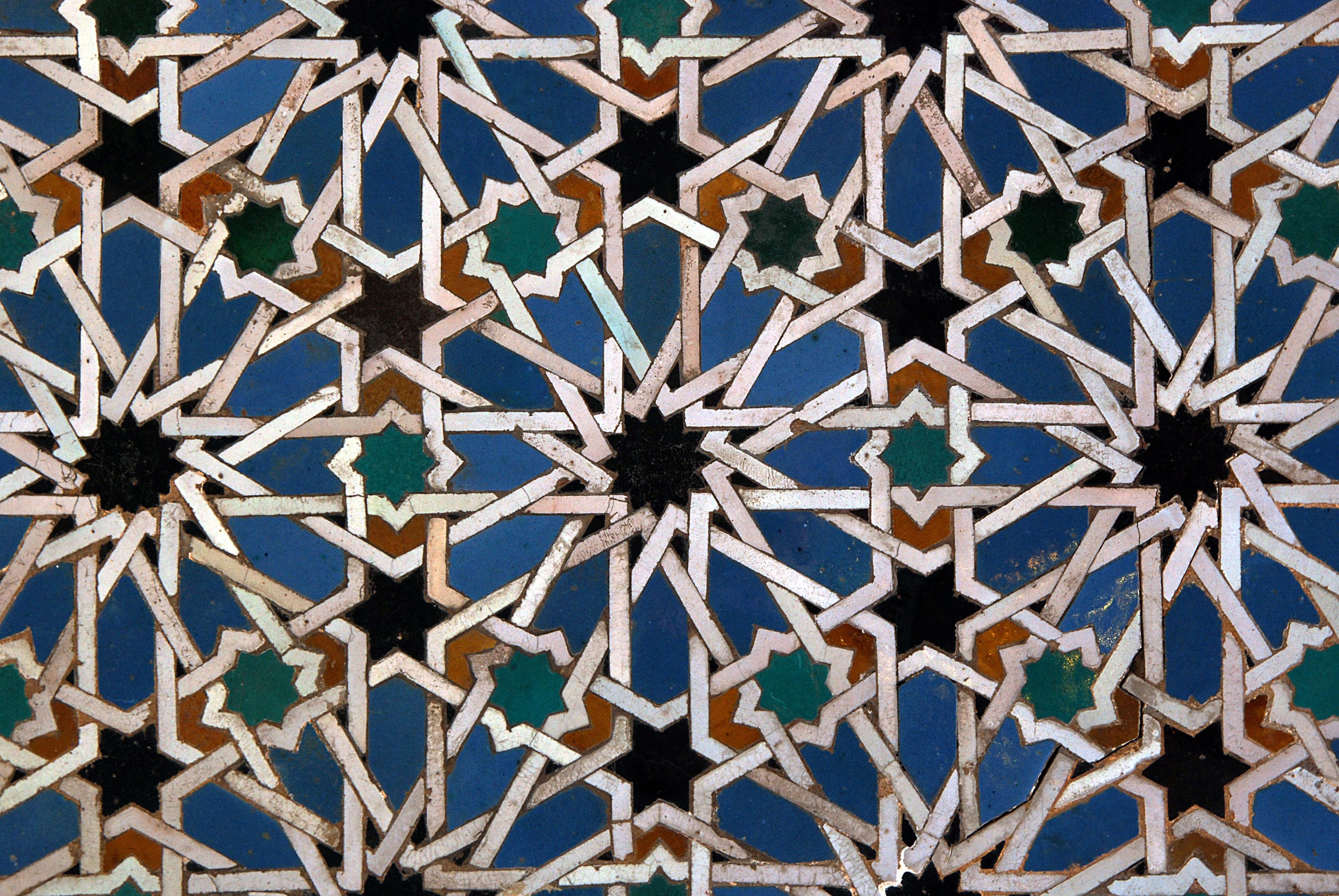
Weaving in Saudi Arabia is a revered craft, with techniques varying across regions. The most well-known is the Sadu weaving, a form of Bedouin textile art. Created using natural materials like camel and goat hair, Sadu patterns are often bold, geometric, and reflect the desert landscape.
Sadu weaving is traditionally done by women and plays a significant role in Bedouin culture. The vibrant colors and intricate patterns are not only visually striking but also serve as a cultural expression of identity and heritage.
Preservation Efforts
With modernization, the art of Sadu weaving faced decline, but recent efforts have been made to preserve and revive this important craft. Organizations and cultural initiatives are working to train new artisans and ensure that the knowledge is not lost to future generations.
Metalwork Marvels
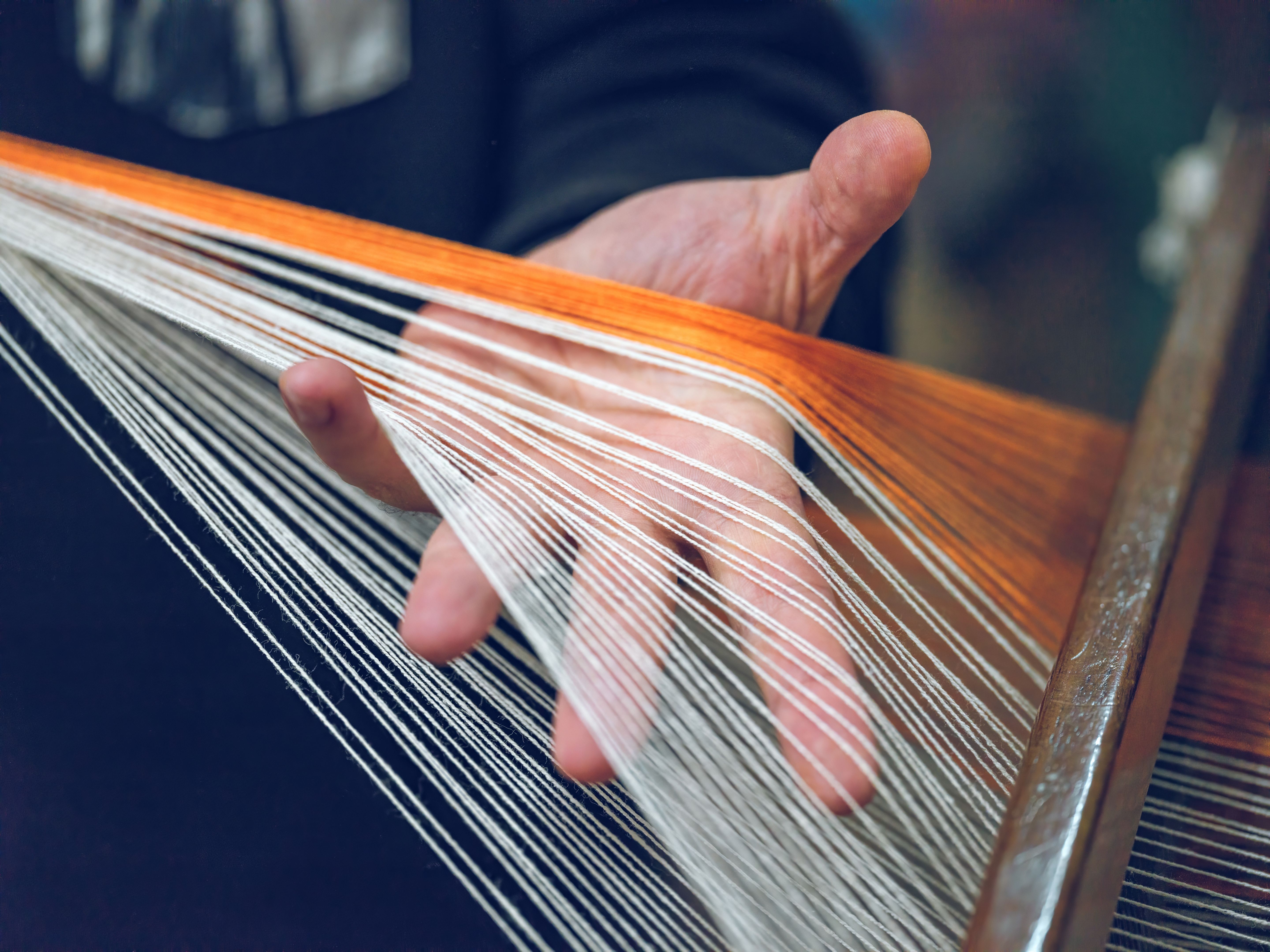
Metalwork is another cornerstone of Saudi craftsmanship. Artisans create stunning pieces ranging from jewelry to intricate swords. The delicate balance between form and function is evident in every piece, showcasing the artisan's skill and attention to detail.
Gold and silver are commonly used metals, with traditional motifs and designs that are unique to the region. These pieces often carry cultural significance, serving as heirlooms passed down through families.
Modern Interpretations
Today, there is a growing trend of blending traditional metalwork techniques with contemporary design. This fusion results in pieces that retain their cultural essence while appealing to modern tastes, keeping the craft relevant in today's world.

Pottery and Ceramics
Pottery in Saudi Arabia is a testament to the country's connection with its land. Crafted using local clay, these pieces are both functional and beautiful. The designs often reflect the natural surroundings and cultural symbols pertinent to the region.
Traditional techniques involve hand-shaping the clay and using natural dyes to adorn the pieces with intricate patterns. This art form has been practiced for centuries and continues to be a vital part of Saudi culture.
Cultural Significance
Each ceramic piece is more than just a vessel; it is a narrative of the artisan's heritage. The pottery serves as a bridge between past and present, offering insights into the daily lives and traditions of Saudi communities.
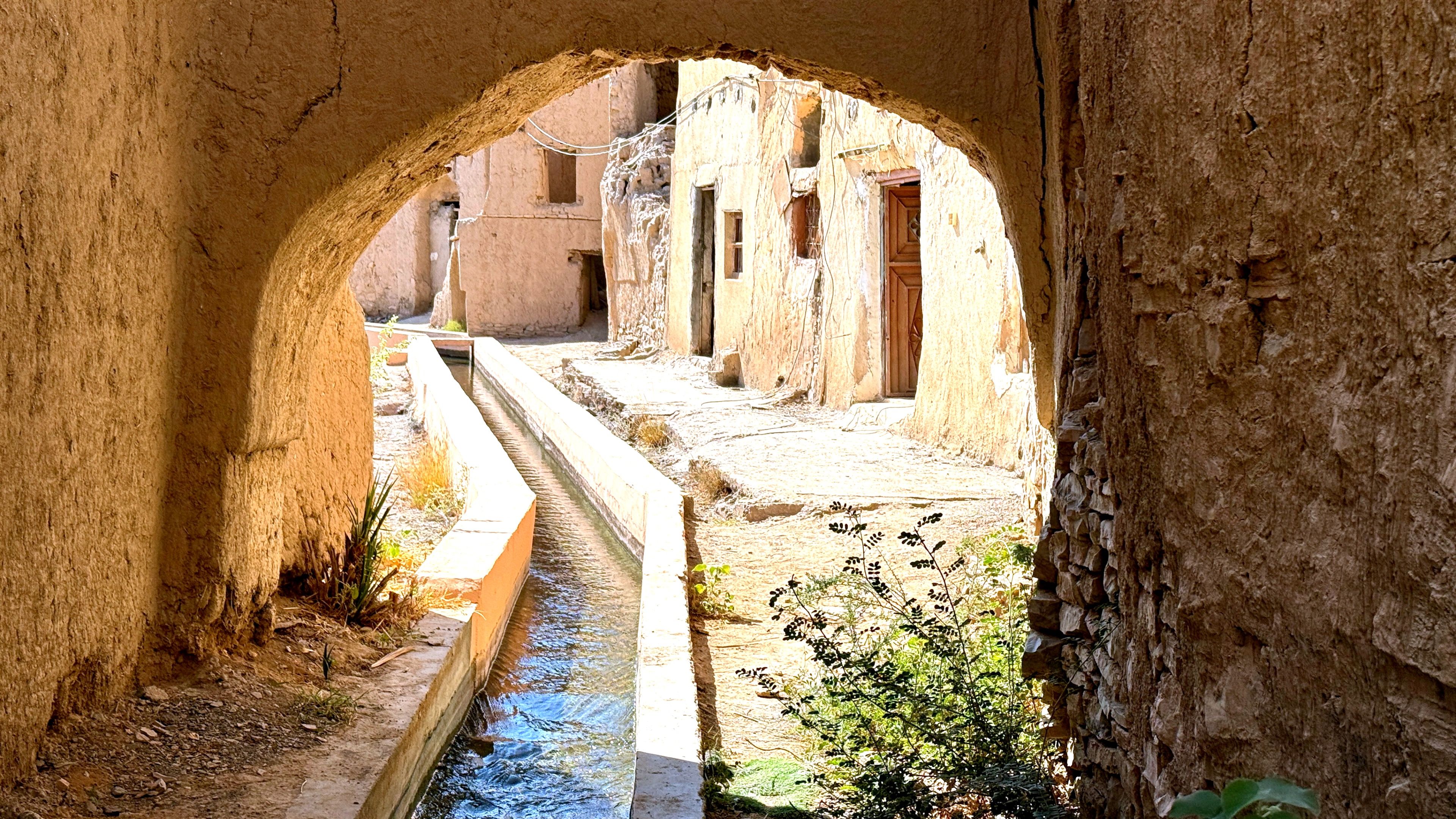
Traditional Saudi craftsmanship is an integral part of the country's cultural identity. By appreciating and supporting these art forms, we not only preserve a rich heritage but also ensure that future generations can appreciate the beauty and skill of these timeless crafts.