
The Art of Craftsmanship: How Traditional Saudi Handicrafts Are Made


The Rich Heritage of Saudi Handicrafts
Saudi Arabia is a land of rich cultural heritage and diverse traditions. Among its many treasures, traditional handicrafts stand out as a testament to the country's artistic legacy. These crafts, passed down through generations, reflect the creativity and skill of Saudi artisans. From intricate woodwork to delicate embroidery, each piece tells a story of heritage and craftsmanship.
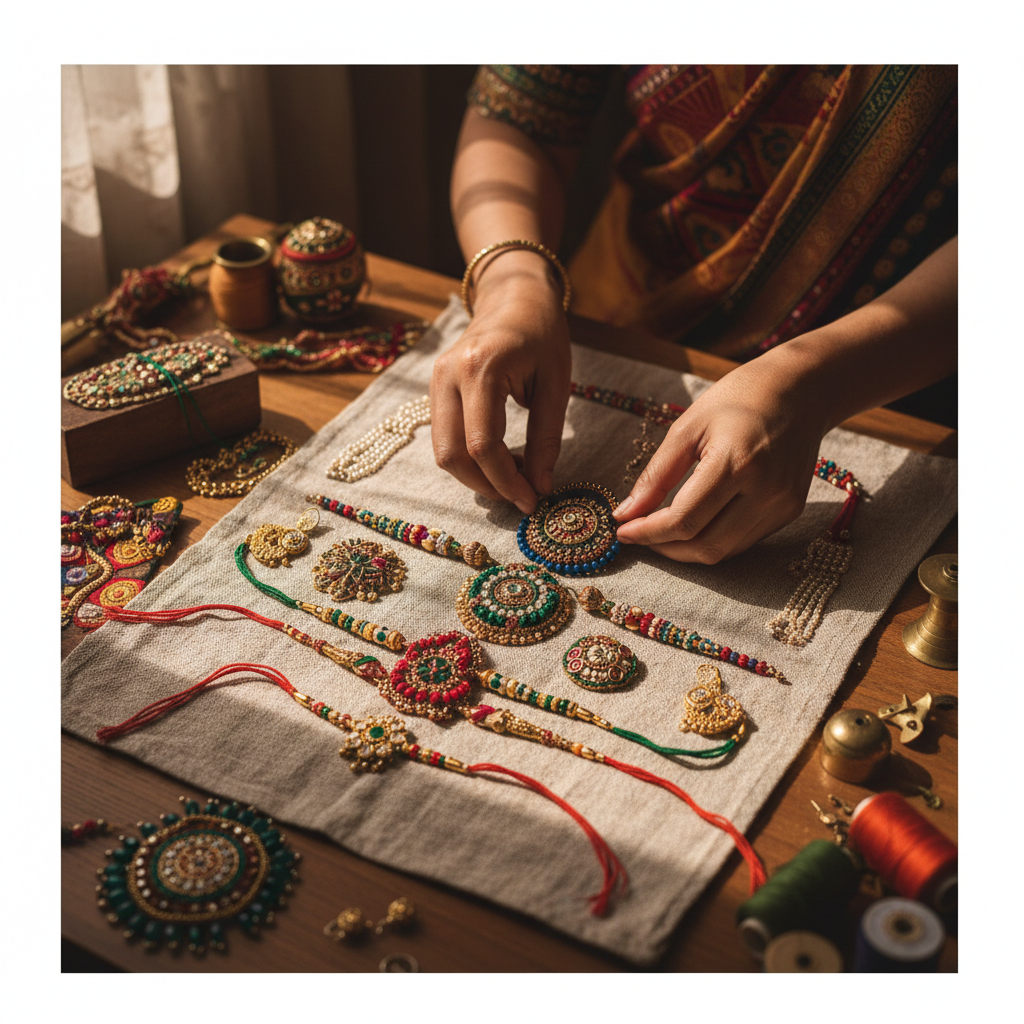
The Intricacies of Woodwork
Woodwork is a prominent craft in Saudi Arabia, with artisans creating everything from furniture to decorative items. Using tools that have been refined over centuries, craftsmen carve intricate designs into various types of wood. The most commonly used woods include teak and cedar, known for their durability and beauty. This art form requires patience and precision, as each piece is carefully shaped and polished to perfection.
Traditional woodworking techniques include carving, inlaying, and marquetry. These methods are combined to create unique patterns and textures that give each piece its distinct character. The art of woodwork not only highlights the artisan's skill but also their deep understanding of materials and design.
The Elegance of Embroidery
Embroidery in Saudi Arabia is a craft that combines intricate needlework with vibrant colors and patterns. This art form is often seen in traditional clothing, home decor, and ceremonial items. The designs are inspired by cultural symbols, nature, and everyday life, making each embroidered piece a unique work of art.
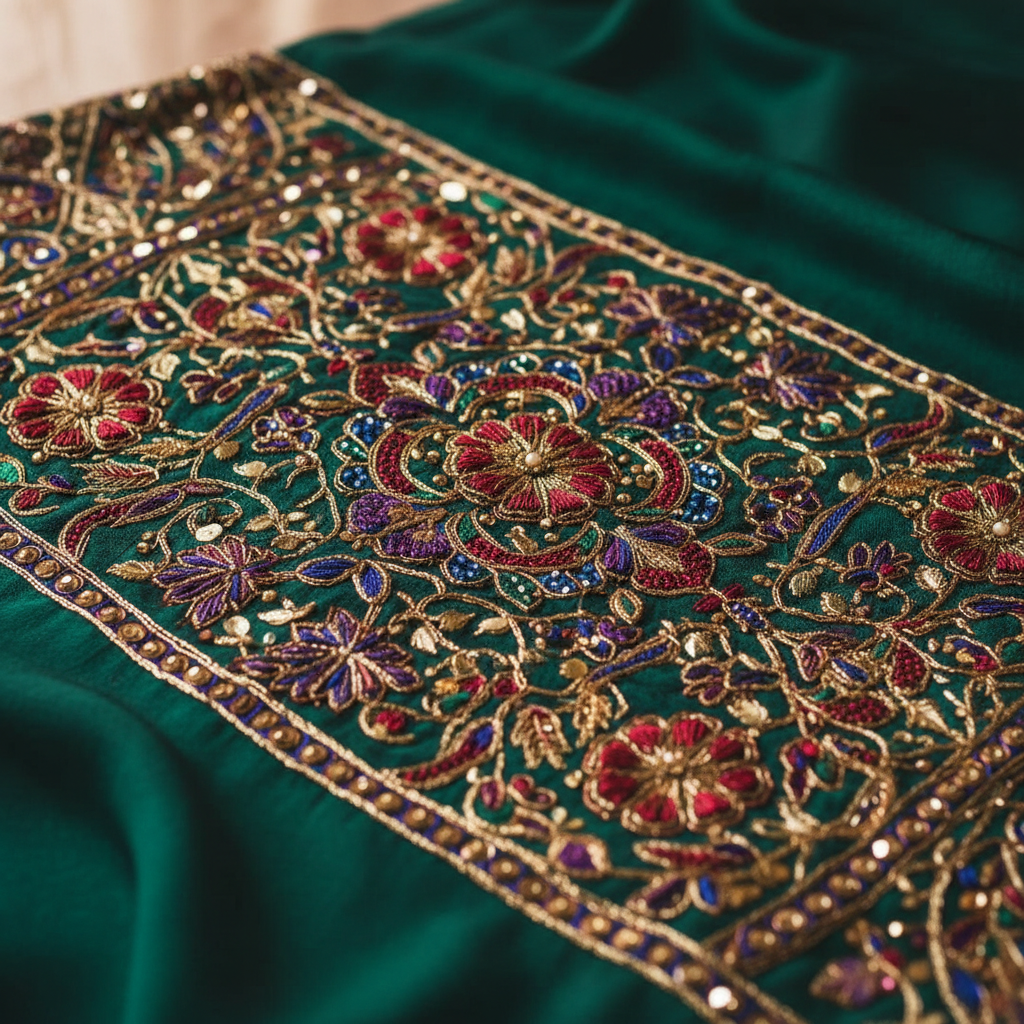
The process of embroidery involves various stitches, each adding a different texture and depth to the fabric. Artisans use high-quality threads and fabrics to ensure the longevity and beauty of their creations. This meticulous attention to detail is what makes Saudi embroidery so revered and cherished.
The Beauty of Pottery
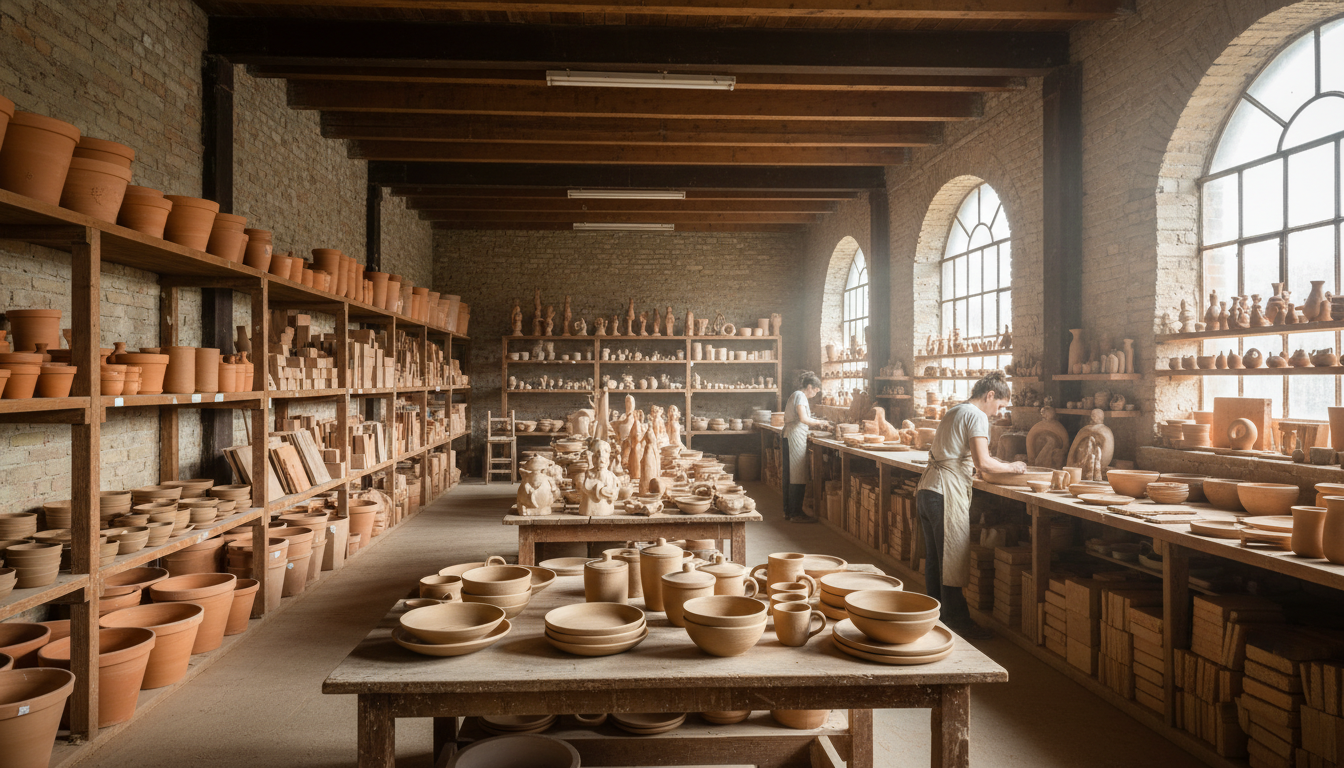
Pottery is another traditional craft that holds a special place in Saudi culture. Artisans use locally sourced clay to create functional and decorative pieces. The process begins with shaping the clay on a potter's wheel, followed by firing in a kiln, and finally glazing to add color and shine.
Each piece of pottery reflects the artisan's creativity and cultural influences. The designs often incorporate geometric patterns and motifs that have been part of Saudi artistic expression for centuries. Pottery is not just a craft but a connection to the land and its history.
The Significance of Weaving
Weaving is a traditional craft that has been an integral part of Saudi life for generations. Artisans use natural fibers such as wool and cotton to create textiles that are both beautiful and functional. The woven products include carpets, rugs, and tapestries, often used in homes and cultural ceremonies.
The art of weaving involves intricate patterns and vibrant colors, reflecting the diverse cultural heritage of the region. Each piece is a labor of love, requiring skill and dedication to produce something truly unique. Weaving is not only an art form but a way of preserving cultural identity.
Preserving the Tradition
The art of craftsmanship in Saudi Arabia is more than just creating beautiful objects; it is about preserving a rich cultural heritage. Efforts are being made to keep these traditional crafts alive, with workshops and educational programs aimed at inspiring a new generation of artisans.
By supporting local craftsmen and appreciating their work, we can ensure that these timeless skills continue to thrive. The art of Saudi craftsmanship is a celebration of culture, history, and artistry that connects the past with the present.