Modern Elegance Meets Tradition: The Saudi Royal Design Philosophy


Introduction to Saudi Royal Design Philosophy
The Saudi royal design philosophy elegantly intertwines modernity with rich traditions, creating a unique aesthetic that captures the essence of the kingdom. This blend of old and new is not only a reflection of architectural prowess but also a testament to the cultural heritage deeply rooted in the region.
Saudi Arabia, known for its majestic palaces and grand mosques, has managed to embrace contemporary design while honoring its historical legacy. The result is a seamless integration of styles that speaks volumes about the country's values and aspirations.
Embracing Tradition
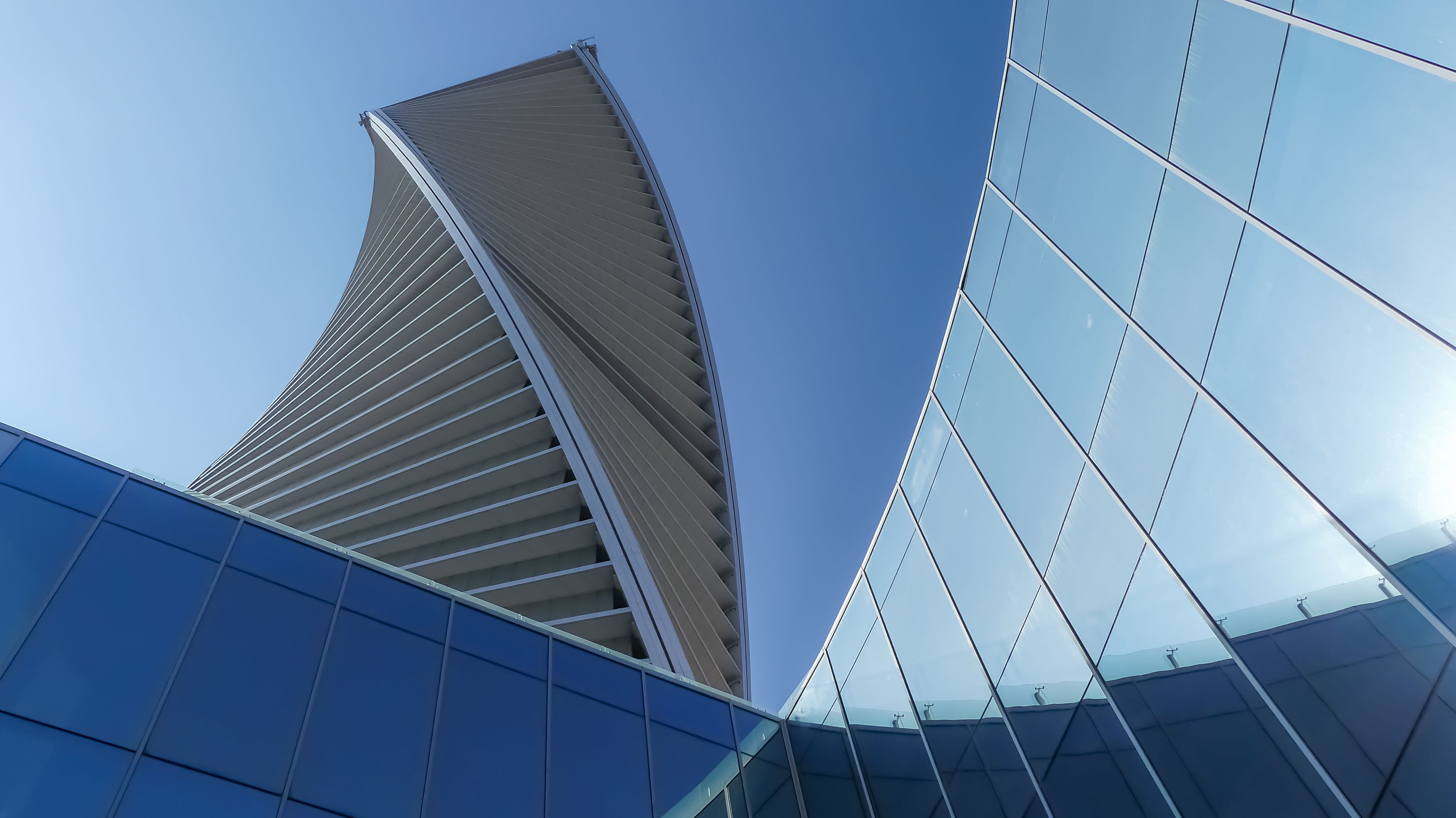
Tradition plays a crucial role in Saudi design, where historical elements are preserved and celebrated. The use of intricate patterns, calligraphy, and geometric shapes is prevalent, drawing inspiration from Islamic art and architecture. These elements serve as a reminder of the kingdom's rich past while adding a touch of elegance to modern designs.
Architects often incorporate traditional materials such as stone and wood, which are locally sourced and environmentally friendly. These materials not only enhance the aesthetic appeal but also pay homage to the region's natural resources.
The Influence of Modernity
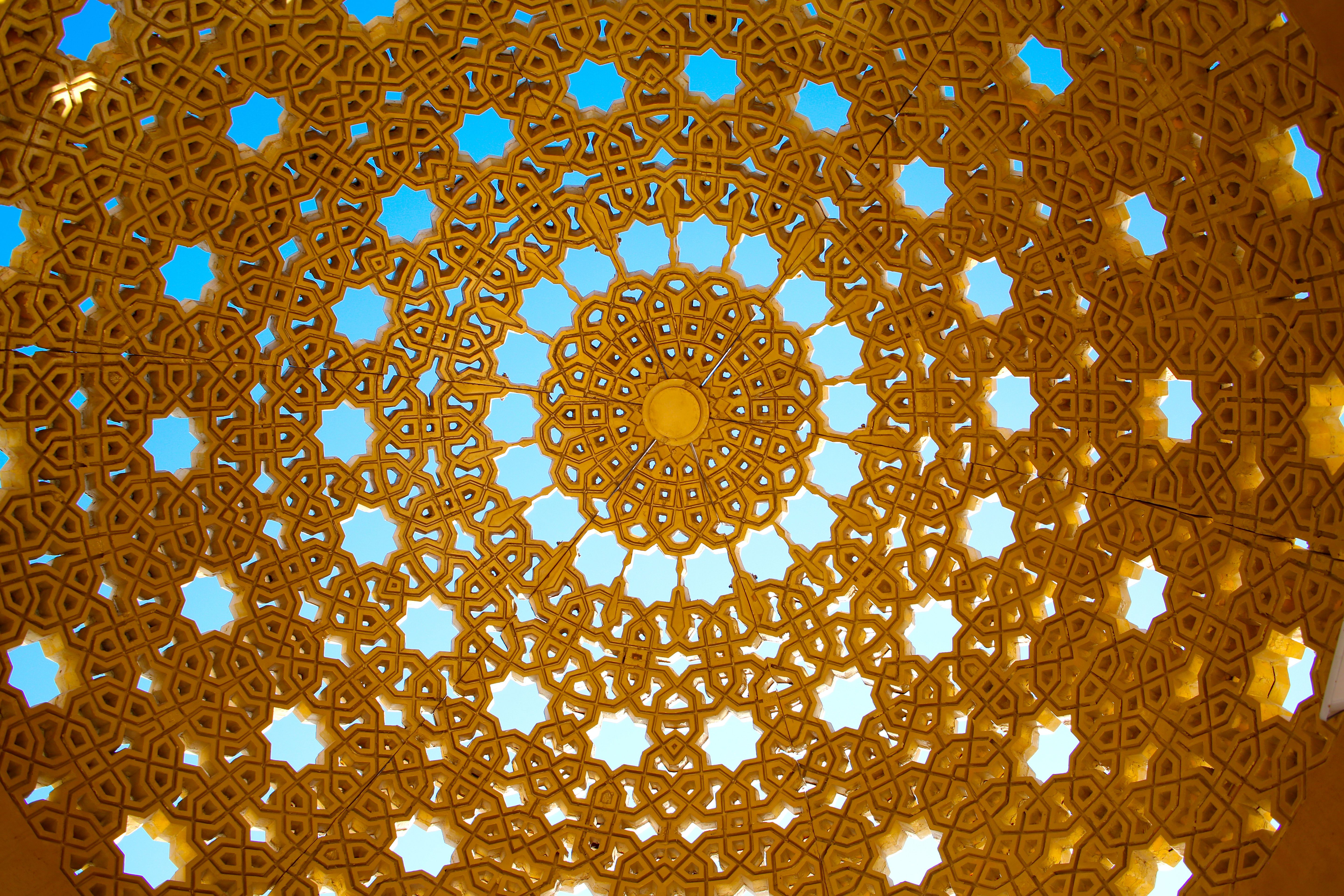
While tradition is honored, modern elements play an equally significant role in Saudi design. The use of cutting-edge technology and innovative materials has allowed for the creation of structures that are both functional and visually stunning. Glass facades, sleek lines, and open spaces characterize modern Saudi architecture, providing a contrast to traditional designs.
This blend of styles ensures that buildings are not only beautiful but also equipped to meet the demands of contemporary life. The integration of smart technology and sustainable practices highlights the kingdom's commitment to progress and innovation.

Key Elements of Saudi Royal Design
Several key elements define the Saudi royal design philosophy:
- Symmetry: Buildings often feature symmetrical layouts, creating a sense of harmony and balance.
- Luxurious Interiors: Interiors are adorned with opulent materials such as marble and gold, reflecting the kingdom's wealth and sophistication.
- Outdoor Spaces: Courtyards and gardens are integral, offering serene spaces for reflection and relaxation.
These elements work together to create spaces that are both inviting and awe-inspiring, embodying the essence of Saudi elegance.
The Role of Cultural Identity
Cultural identity is at the heart of the Saudi royal design philosophy. Designs often incorporate symbols and motifs that are deeply significant to the Saudi people, reinforcing a sense of pride and belonging.
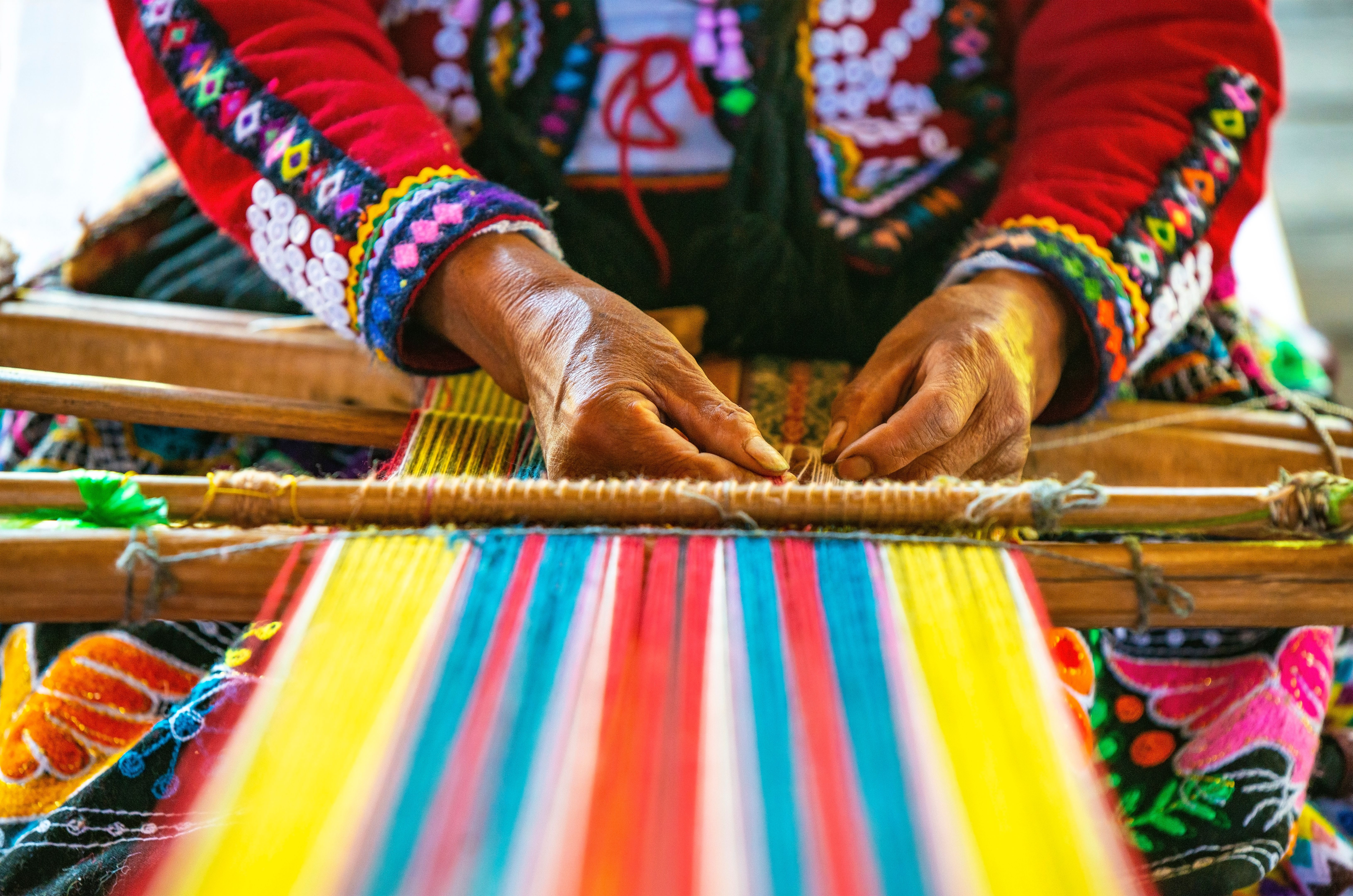
Artisans and craftsmen play a vital role in this process, ensuring that traditional techniques are preserved and celebrated. This dedication to cultural heritage ensures that each design is not only beautiful but also meaningful.
Conclusion
The Saudi royal design philosophy is a masterful blend of modern elegance and time-honored tradition. This unique approach to design not only showcases the kingdom's rich heritage but also its forward-thinking vision.
As Saudi Arabia continues to evolve, its design philosophy will undoubtedly adapt, reflecting the dynamic nature of a country that is both rooted in tradition and eager to embrace the future. This harmonious blend of old and new is a testament to the creativity and innovation that define the Saudi spirit.