Crafting a Legacy: The Role of Saudi Handicrafts in Vision 2030


Introduction to Saudi Handicrafts
Saudi Arabia is a land of rich cultural heritage and traditional craftsmanship. The intricate designs and meticulous craftsmanship of Saudi handicrafts have long been a source of national pride. As the nation marches towards its Vision 2030, these handicrafts are set to play a pivotal role in shaping the cultural and economic landscape of the country.
Vision 2030 aims to diversify the economy and reduce its dependence on oil. A key component of this vision is the promotion of cultural heritage, where Saudi handicrafts are poised to shine. The crafts not only reflect the artistic prowess of the region but also have the potential to become a significant economic driver.
The Cultural Significance of Handicrafts
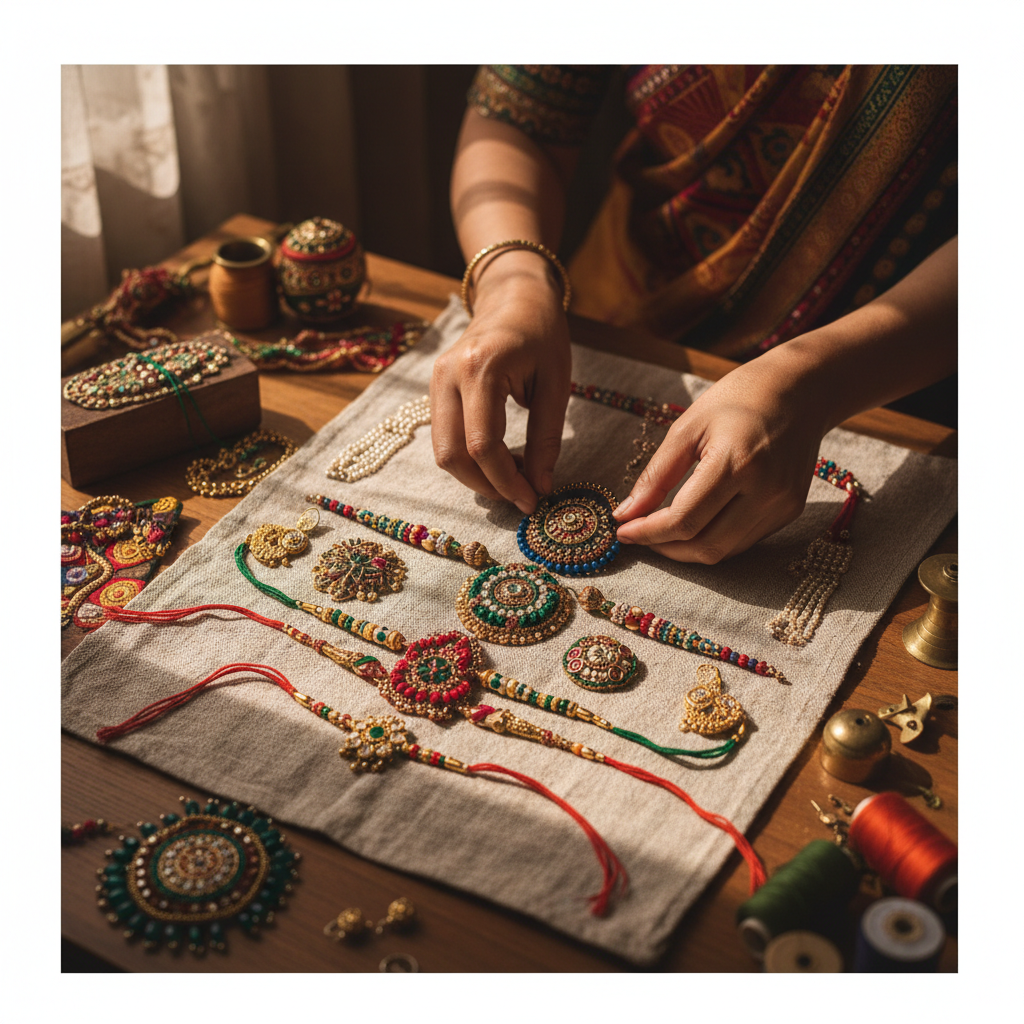
Saudi handicrafts are more than just beautiful artifacts; they are a testament to the country's history and identity. Crafts such as weaving, pottery, and metalwork have been passed down through generations, preserving the stories and traditions of the past.
These crafts offer a glimpse into the diverse cultures within the Kingdom, from the Bedouin tribes of the desert to the coastal communities by the Red Sea. Each piece is a reflection of the region's unique environment and societal values.
Preserving Traditions
As the Kingdom undergoes rapid modernization, preserving these traditional crafts becomes essential. Vision 2030 emphasizes the importance of maintaining cultural heritage while embracing innovation. By supporting local artisans and craftspeople, the initiative ensures that these age-old traditions continue to thrive.

Economic Opportunities through Handicrafts
Handicrafts offer substantial economic opportunities by tapping into global markets. With an increasing demand for authentic, handmade products, Saudi artisans have a chance to showcase their skills on an international stage. This not only boosts the local economy but also provides employment opportunities, especially in rural areas where these crafts are predominantly practiced.
The government is investing in platforms and exhibitions to promote Saudi handicrafts globally. By creating a brand identity for these products, they aim to attract tourists and collectors alike, further fueling economic growth.
Empowering Local Communities
Empowering artisans is a core objective of Vision 2030. Initiatives are being rolled out to provide training and resources to craftsmen and women, enabling them to hone their skills and market their products more effectively. These efforts not only preserve cultural heritage but also empower local communities, particularly women and young people, by providing them with sustainable livelihoods.

Handicrafts as a Pillar of Tourism
Tourism is another key focus of Vision 2030, and handicrafts play a vital role in enriching the tourist experience. Visitors to Saudi Arabia have the opportunity to explore the vibrant culture through its crafts, offering them a unique and immersive experience.
By promoting cultural festivals and craft markets, the Kingdom aims to draw tourists interested in cultural heritage. These events not only showcase the beauty of Saudi craftsmanship but also foster cross-cultural exchange.
The Future of Saudi Handicrafts
As Saudi Arabia looks to the future, the role of handicrafts in Vision 2030 is clear. By balancing the preservation of tradition with economic innovation, the Kingdom is crafting a legacy that honors its past while embracing the future. This strategic focus on handicrafts ensures that they remain a vibrant and integral part of Saudi culture and economy for generations to come.